Common Myths About Rooflights Debunked: What Every Homeowner Should Know
Many homeowners hold misconceptions about rooflights. They frequently assume these additions are delicate and susceptible to leaks. Nevertheless, recent advancements in materials and technology challenge this notion. Recognising the realities of the durability and efficiency of rooflights can transform these perceptions. The impact on home design and energy conservation are substantial. Investigating these realities could explain why rooflights are becoming an growing popular selection among homeowners. What aspects should be evaluated before installation?
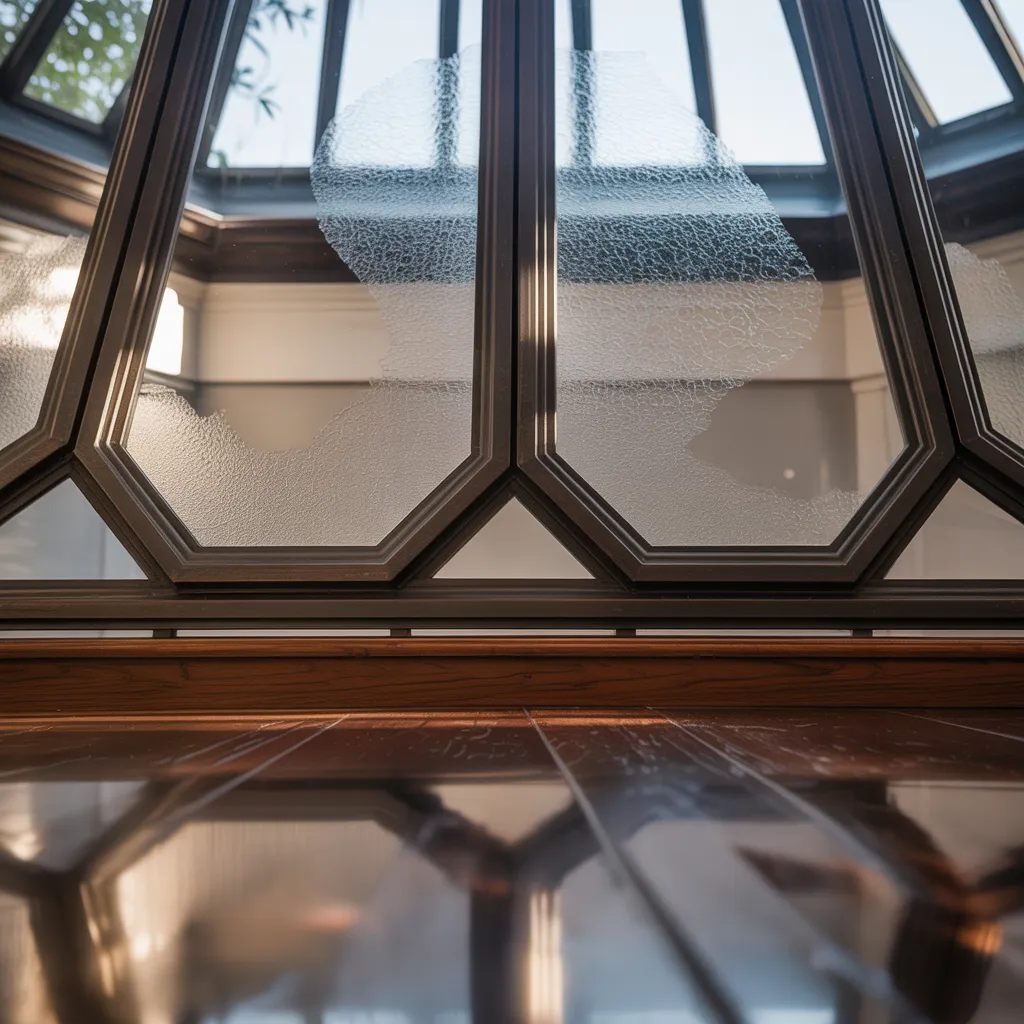
How Rooflights Boost Natural Light in Your Home
Although many homeowners may underestimate the impact of rooflights, these architectural features can greatly enhance the amount of natural light entering a living space. Through the careful positioning of rooflights, homeowners are able to convert dim, confined spaces into light-filled, inviting areas. In contrast to conventional windows, rooflights enable sunlight to enter from overhead, limiting dark patches and enhancing overall brightness during all hours of daylight.
The size and design of rooflights can considerably influence light levels. Bigger or additional rooflights can produce a greater sense of openness, while tubular read guide rooflights can funnel daylight into tighter spaces. Furthermore, rooflights can improve the overall ambiance, making interiors feel more spacious and inviting.
Furthermore, the incorporation of high-quality glazing guarantees that the merits of natural light are fully realised while limiting heat loss. Therefore, rooflights not only elevate the overall appearance but also contribute to a more agreeable and energy-conscious home setting.
The True Cost of Installing Rooflights: What to Expect
When thinking about the setup of rooflights, homeowners often overlook the associated costs, which can fluctuate substantially based on a number of variables. The initial expense typically covers the price of the rooflight itself, workforce costs, and any required structural changes. Based on the type of rooflight—whether stationary, ventilated, or tubular—costs can span from hundreds to thousands of dollars.
Additionally, the intricacy of the installation process matters greatly; a straightforward installation on a flat rooftop may be more cost-effective than one that requires major adjustments to a inclined roof. Property owners must also consider potential permits and inspections, which can raise the final price.
At its core, recognizing these components helps homeowners to allocate resources appropriately and make educated determinations about incorporating rooflights into their homes, guaranteeing they attain both visual and practical advantages without unforeseen monetary pressure.

How Can Rooflights Enhance Your Energy Efficiency?
Rooflights provide considerable advantages for overall energy performance through maximized natural illumination and improved insulation. By maximizing daylight, they decrease dependence on artificial light sources, leading to lower energy consumption. Additionally, contemporary rooflights are engineered to preserve heat, contributing to a more stable indoor climate and lower heating expenses.
Advantages of Natural Light
The remarkable impact of natural light has the potential to boost energy efficiency in homes. Rooflights allow an abundance of sunlight to pour into living spaces, reducing the need for artificial lighting during daylight hours. This not only reduces energy consumption but also creates a more comfortable and welcoming environment. By embracing natural light, homeowners can create brighter interiors, which can greatly improve mood and productivity. Furthermore, daylighting can aid in managing indoor temperatures, reducing dependency on heating and cooling systems. Over time, these benefits can lead to significant energy savings, making rooflights a smart investment for sustainability-focused homeowners. In conclusion, utilising rooflights to introduce natural light is a practical approach to improving energy efficiency.
Heat Retention and Insulation
Although often overlooked, insulation and heat retention serve critical functions in the energy efficiency of a home, and rooflights can considerably boost these aspects. Modern rooflights are designed with advanced glazing technology that reduces heat loss while optimizing natural light. This innovative design helps maintain a comfortable indoor temperature, lowering dependency on heating units during colder months. Additionally, superior rooflights can eliminate overheating in warmer seasons by facilitating adequate ventilation. When strategically placed, they can produce a more consistent indoor atmosphere, leading to reduced energy costs. Homeowners can enjoy the aesthetic benefits of natural light without sacrificing energy efficiency, making rooflights a smart investment for sustainable living. Overall, rooflights play a significant role in enhancing insulation and heat retention.
Clearing Up Myths About Rooflight Durability
How does one evaluate the longevity of rooflights amidst popular misunderstandings? Numerous property owners mistakenly believe that rooflights are delicate and susceptible to harm. In reality, contemporary rooflights are manufactured using durable materials such as polycarbonate and laminated glass, built to endure harsh weather conditions. These components are thoroughly evaluated for impact resistance and UV stability, guaranteeing they preserve lasting structural integrity.
Another widespread belief is that rooflights need to be replaced often due to natural degradation. Fortunately, with professional installation and regular maintenance, rooflights can stand the test of time. Consistent maintenance and cleaning can ward off recurring issues, such as moisture buildup or leaks.
Additionally, some homeowners believe that rooflights fundamentally affect energy performance. Yet, with improvements in glazing innovations, most modern rooflights deliver impressive insulation properties, supporting greater energy savings throughout the home. Understanding these facts can help homeowners arrive at well-informed choices about long-term rooflight performance.
Conquering Common Installation Hurdles
Navigating the complexities of rooflight installation can pose substantial challenges for homeowners and contractors alike. One prevalent challenge is achieving proper structural support; poor reinforcement often causes leaks or structural failure. Homeowners must also navigate local building codes and regulations, which can change considerably depending on the area. Failure to comply may result in costly fines or the need for significant and costly changes.
One additional challenge concerns selecting the right materials and configurations that align with current roofing structures. Poor alignment throughout the installation process can cause heat transfer inefficiencies and raise the probability of moisture penetration. Moreover, weather conditions are capable of disrupting the installation schedule, highlighting the importance of planning to account for these factors.
To tackle these obstacles, consulting with experienced professionals is essential. They deliver important insights and confirm that the installation process follows safety standards and best practices. Proper planning and expert guidance can lead to a successful rooflight installation that enhances natural light while maintaining the integrity of the home.
How Rooflights Can Boost Your Home's Value
Fitting rooflights greatly enhances a home's aesthetic appeal and functionality, ultimately increasing its market value. By allowing natural light to flood home spaces, rooflights create a welcoming atmosphere that can attract potential buyers. This rise in natural brightness often creates a sense of spaciousness, making rooms feel larger and more inviting.
In addition, rooflights improve energy efficiency by minimising dependence on artificial lighting during the day, which can cut electricity bills. Properties with energy-efficient characteristics are increasingly sought after, additionally enhancing their value in the marketplace.
Moreover, the exceptional aesthetic qualities that rooflights deliver can set apart a property from competing properties. A carefully installed rooflight not only adds visual appeal but also reflects current architectural styles, drawing in modern homebuyers. In the end, the addition of rooflights can be a strategic investment, boosting both design appeal and usability while elevating the property's total market value.
Questions We Often Receive
Is It Possible to Install Rooflights on Any Roof Type?
Rooflights can be installed in a range of roofing types, including flat, pitched, and even thatched roofs. That said, the required installation methods and materials can differ, necessitating expert evaluation to secure optimal functionality and seamless aesthetic blending.
Are Rooflights Suitable for All Weather Conditions?
Rooflights are typically appropriate for diverse weather conditions, but their efficiency is determined by the design and materials used. Correct installation and regular maintenance are essential to confirm they hold up against severe temperatures, intense rain, and various environmental demands.
How Do Rooflights Influence Interior Temperature Across All Seasons?
Rooflights have a significant impact on indoor temperature throughout the year. In summer, they may increase heat, but during winter, they are effective at maintaining warmth indoors. Adequate insulation and shading solutions are key to achieving optimal temperature regulation and energy savings.
What Maintenance Do Rooflights Require Over Time?
Roof lights need consistent cleaning to stop debris buildup, periodic inspections for leaks or damage, and occasional resealing to maintain energy efficiency. Additionally, homeowners should guarantee adjacent structures do not impede light or ventilation over time.
Is It Possible to Integrate Rooflights With Solar Panels?
Yes, rooflights can be integrated with solar panels, enabling natural light to enter while capturing solar energy. This integration boosts energy efficiency and can offer substantial savings on energy bills for homeowners seeking sustainable solutions.